
2026-09-12 ·
Fall Rodent Prevention Steps For Thiells Yards
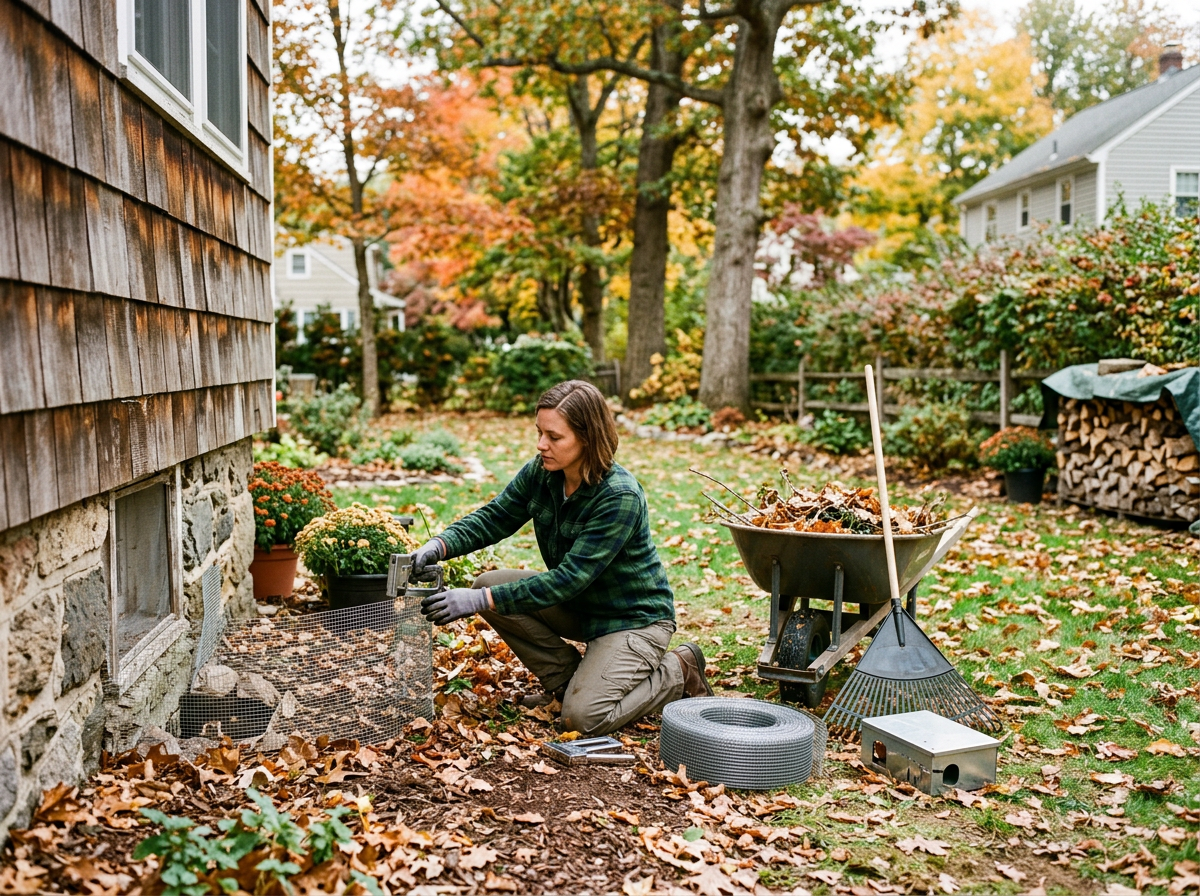
Thiells yards require gap sealing down to 1/4 inch and debris removal starting in early September to block Norway rats and house mice before they move toward heated structures as temperatures drop. Fieldstone foundations common in the area create natural entry points that widen with frost heave, while shared walls and cracked sewer laterals allow access from below. Starting exclusion work before snow cover concentrates activity around buildings prevents the need for later insulation replacement when droppings contaminate attic material.
Seal Foundation and Yard Gaps Early
Begin by walking the full perimeter and marking any openings 1/4 inch or larger, the size a house mouse can pass through, along with 1/2-inch holes that admit Norway rats. In Thiells, rubble and fieldstone bases often shift over winter, so check where mortar has crumbled and pack steel wool backed by caulk or metal mesh into those spaces. Pay special attention to utility penetrations and dryer vents, then cover ground-level burrows with hardware cloth bent into an L-shape extending 12 inches outward. These steps align with the exclusion-first approach that limits indoor activity during the September to November migration period.
Remove Food and Shelter Sources in the Yard
Clear fallen fruit, bird seed, and pet food daily because even small amounts sustain a litter of 5 to 6 house mice that reach breeding age in six weeks. Stack firewood 18 inches off the ground and 12 inches from the house wall so rodents cannot use it as cover while traveling to cellars. Trim ground cover and ivy within 3 feet of the foundation to eliminate runways, and store garbage in cans with tight lids that rats cannot chew through. These yard practices reduce the draw of outdoor resources before snow forces rodents toward consistent indoor warmth.
Address Sewer Laterals and Burrow Risks
Inspect visible sewer cleanouts and downspout drains for gaps that connect directly to cracked laterals, a frequent pathway for Norway rats traveling from street sewers into Thiells properties. Fill any exposed burrow entrances near the foundation with soil and gravel, then monitor for reopening over the following week. When yard work reveals repeated activity, schedule targeted rodent control that emphasizes exclusion over trapping alone. Readers can review detailed entry mapping in Common Rodent Entry Points In Older Thiells Houses to prioritize the highest-risk spots before temperatures fall further.
Prepare for Snow Cover and Concentrated Activity
Once snow arrives, rodents shift movement to the narrow band of thawed ground next to heated walls, so pre-position exclusion materials while access remains easy. Block potential roof rat routes into soffits and eaves with 1/4-inch mesh before leaves accumulate and create additional cover. Keep gutters clear so meltwater does not pool against the foundation and soften soil around entry points. Planning these measures now prevents the insulation contamination that occurs when droppings accumulate in attics over winter.
Time Follow-Up Checks Through Late Fall
Re-inspect sealed gaps every three weeks from September through November, because frost cycles can reopen mortar joints that previously appeared tight. Note any new droppings near foundation plantings as an early sign that mice or rats are testing barriers. When signs appear despite yard work, consult the guidance in When To Schedule Rodent Control In Thiells to decide whether additional mice removal is warranted. Rodent Control Co operates from 20 Squadron Blvd #327, New City, NY 10956 and serves Thiells with the same exclusion focus used across New York.