
2026-09-12 ·
When To Schedule Rodent Control In Thiells
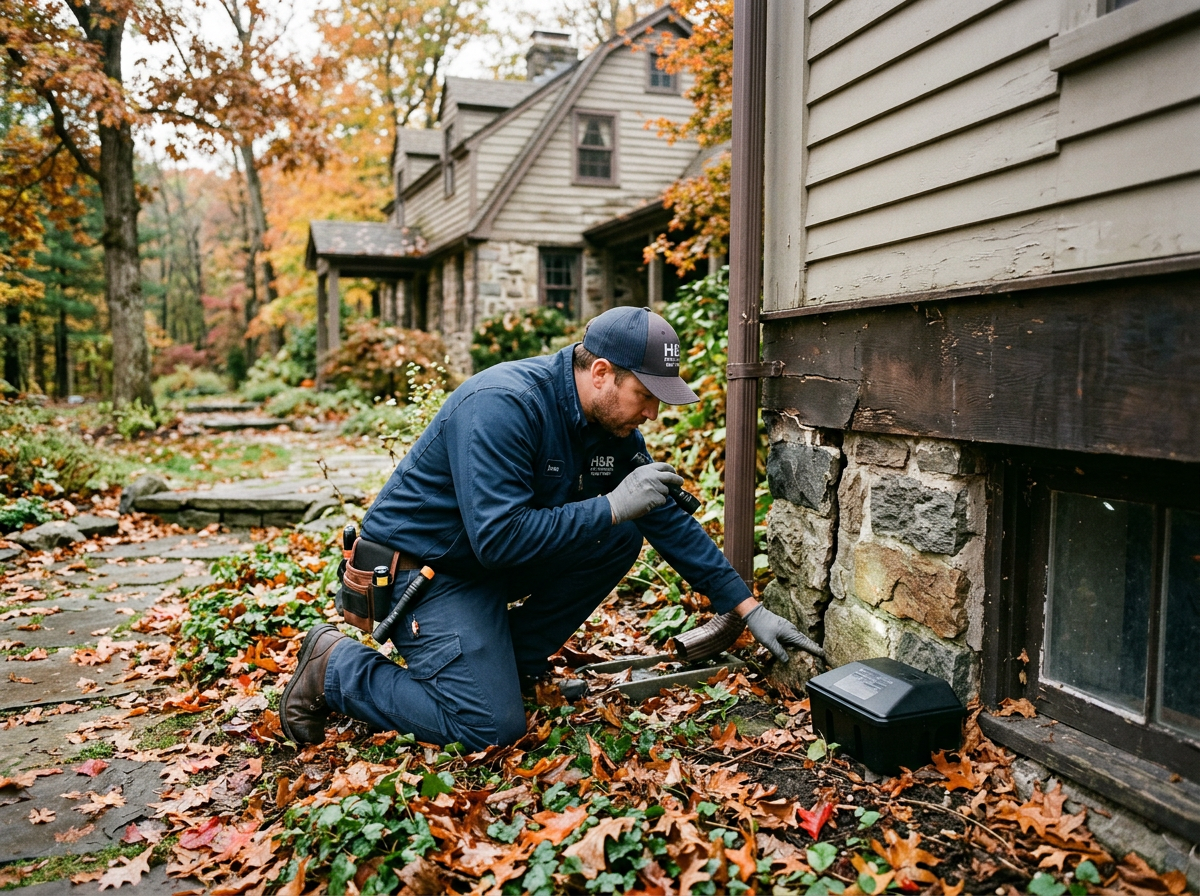
Schedule rodent control in Thiells from late August through early November to intercept the autumn migration indoors, or immediately upon discovering droppings in attic insulation or activity near cracked sewer laterals. This timing aligns with Norway rats moving from sewers and cellars while house mice and roof rats shift from wall voids and attics into heated spaces as temperatures drop. Acting before snow cover concentrates rodents around buildings prevents larger infestations that require more extensive exclusion work later.
Seasonal Timing for Thiells Properties
Thiells experiences peak rodent pressure between September and November when outdoor food sources dwindle and rodents seek shelter. Norway rats often travel along cracked sewer laterals and burrow near fieldstone foundations common in the Valley, while roof rats and house mice exploit shared party walls and rubble foundations. Snow cover from December onward funnels activity toward heated buildings, making early fall inspections critical. Scheduling service in this window allows exclusion-first methods to seal 1/4-inch gaps that admit house mice and 1/2-inch openings used by rats before litters expand indoors. Delaying until winter often means dealing with insulation contaminated by droppings that must be removed as part of remediation.
Recognizing Local Entry Points and Activity
Fieldstone and rubble foundations throughout Thiells create natural gaps that rodents exploit year-round. Check cellars and crawl spaces for burrows or fresh droppings near sewer lines. Attic insulation frequently holds droppings from roof rats or house mice that enter through roof eaves and wall voids. Homeowners near Harriman State Park edges see increased pressure as rodents follow utility lines and vegetation into residential areas. Early detection of gnaw marks on baseboards or grease trails along walls signals the need for prompt exclusion work rather than reactive trapping alone.
Why Pre-Migration Scheduling Prevents Larger Issues
Rodents reproduce quickly once indoors, with house mice producing litters every 3-4 weeks in warm attics. Addressing entry points before September reduces the chance that multiple generations establish in wall voids and insulation. Exclusion-first rodent control targets the specific pathways created by cracked laterals and shared walls instead of relying solely on bait stations. Properties that wait until snow concentrates activity often face higher remediation costs from contaminated attic insulation that must be replaced after the rodents are removed. Planning service in late summer lets technicians focus on sealing before the first cold fronts drive rodents inside.
Practical Next Steps for Thiells Residents
Begin with a thorough inspection of attics, cellars, and exterior foundations for gaps larger than 1/4 inch. Residents with pets can review targeted approaches in Rodent Control For Thiells Residents With Pets to protect animals during treatment. Garages often serve as entry corridors, so see DIY Rodent Proofing Tips For Thiells Garages for sealing strategies around doors and utility penetrations. For comprehensive exclusion that addresses both rats and mice, review the methods at Rodent Control and Attic Rodent Removal. Scheduling before the September migration keeps work focused on prevention rather than repeated visits after populations have grown.