
2026-09-12 ·
How Thiells Humidity Levels Influence Rodent Behavior
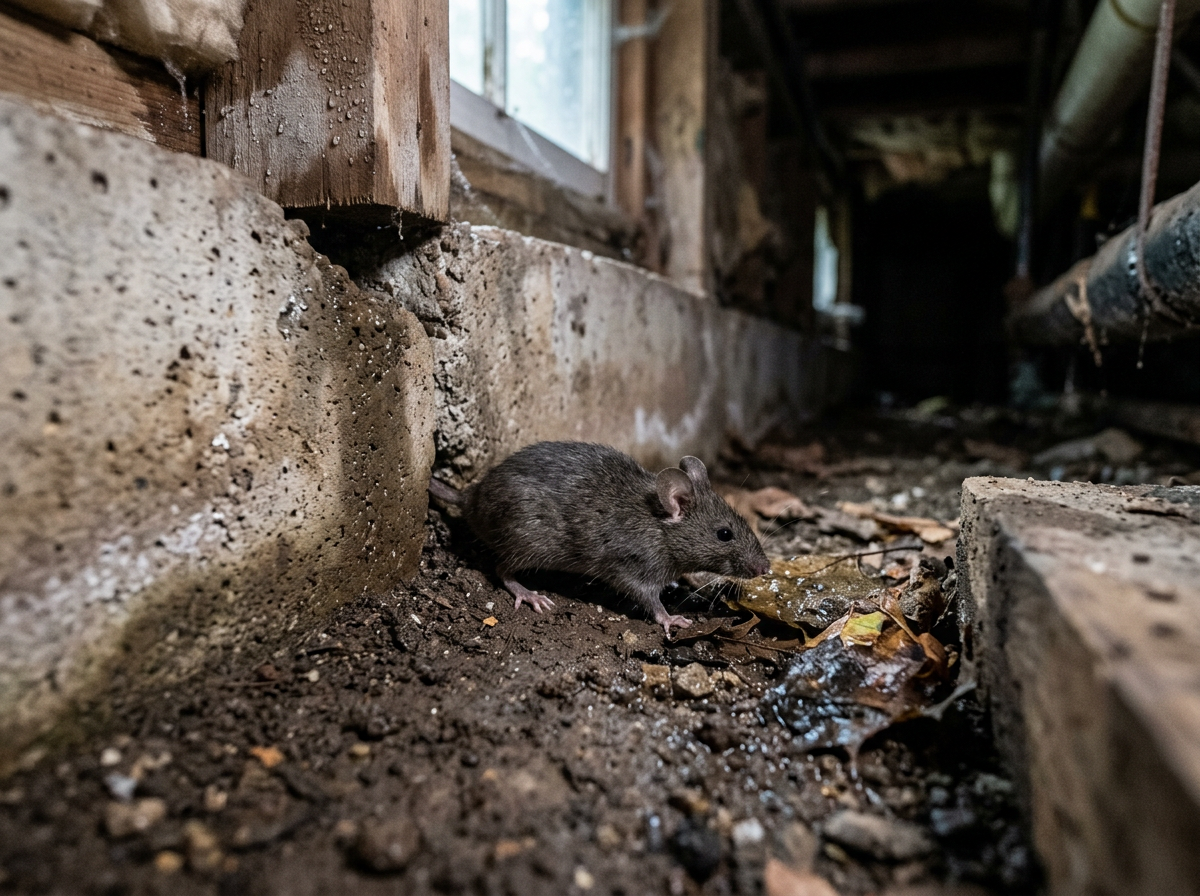
Thiells humidity levels between 50 and 70 percent keep most Norway rats and house mice active in outdoor burrows and wall voids, but readings above 75 percent or below 40 percent commonly drive them toward heated structures with drier microclimates.
Humidity Preferences of Norway Rats and House Mice
Norway rats favor moderate moisture near sewers and cellars where relative humidity stays near 60 percent, allowing them to maintain burrows without excessive dampness that promotes disease. House mice tolerate slightly drier conditions in wall voids and attics, often selecting spots where insulation stays below 65 percent humidity to protect their young. When Thiells summer humidity climbs past 75 percent after heavy rain, both species reduce outdoor foraging and begin testing entry points around foundations. Fieldstone and rubble foundations common in the area retain moisture longer, creating pockets that become less appealing once humidity spikes. Roof rats show similar shifts, moving from shared party walls downstate into attics once attic insulation holds excess moisture from high outdoor humidity.
Seasonal Humidity Shifts and Rodent Movement
Autumn in Thiells brings cooling temperatures paired with rising indoor humidity as homes close up, prompting Norway rats to migrate from sewers into cellars between September and November. House mice follow similar patterns, entering wall voids when outdoor humidity drops below 45 percent and food sources outside become scarce. Snow cover concentrates activity around heated buildings where indoor humidity creates a stable 50-60 percent zone inside voids. These seasonal swings mean exclusion work must target gaps as small as one-quarter inch for mice and one-half inch for rats before humidity-driven movements begin. Rodent control services focus on sealing these entry points rather than relying on trapping alone.
Effects on Nesting Sites and Droppings Accumulation
High humidity in Thiells attics encourages rodents to relocate nesting material away from moist insulation, increasing the chance of droppings mixing with cellulose and creating remediation costs later. Norway rats in cellars avoid saturated burrow soil once humidity exceeds 70 percent, shifting to drier rubble foundation crevices. House mice in wall voids produce litters of five to ten young every three weeks when conditions stay within their preferred 50-65 percent range. Persistent dampness from elevated humidity shortens effective lifespan in outdoor populations by fostering mold on stored food. Attic rodent removal addresses these relocated nests before droppings contaminate larger areas of insulation.
Practical Exclusion Steps Tied to Local Humidity Patterns
Property owners can monitor indoor humidity with simple gauges and seal gaps before autumn migration peaks. Focus first on cracked sewer laterals and foundation joints where moisture differentials attract rodents seeking stable conditions. Adding door sweeps and attic ventilation helps maintain lower humidity levels that discourage nesting. How to check for mice after a Thiells storm outlines inspection steps after humidity spikes from heavy rain. DIY rodent proofing tips for Thiells garages covers sealing techniques suited to local rubble foundations and party walls.